


How to Start Learning Coding If You Are From a Non-IT Background
Can you start coding without an IT background in 2026?
Transitioning into coding from a non-IT background in 2026 is entirely achievable by focusing on practical application over theoretical computer science degrees. The modern industry prioritizes technical agility and “AI-assisted programming,” allowing beginners to utilize tools like ChatGPT to debug and learn syntax faster. By starting with logic building, mastering a beginner-friendly path (like Frontend Web Development), and engaging in hands-on industrial training, anyone can successfully pivot into a high-paying tech career.
1. Breaking the “Engineers Only” Myth
Let’s hit the pause button on your inner critic. If you’re a student with a stream in commerce, arts, mechanical engineering, or any other non-CS background thinking, “I can’t code; I didn’t study Computer Science,” you’re not alone—and you’re not behind.
Here’s the reality of the tech landscape in 2026: companies across Delhi NCR, Chandigarh, Mohali, and the growing tech hubs of North India value practical skills, familiarity with a modern tech stack, and the ability to build real digital solutions—far more than which degree is printed on your certificate.
The “Engineers Only” club is officially dead. Tech companies and agile startups alike are looking for students who can solve problems, bring fresh perspectives from non-IT backgrounds, and write clean, functional code.
This guide is your step-by-step roadmap for how to start coding from zero level—moving past the self-doubt and going from zero experience to deploying your very first functional project, no computer science degree needed.
2. Choosing Your Entry Point: The Low-Code to High-Code Path
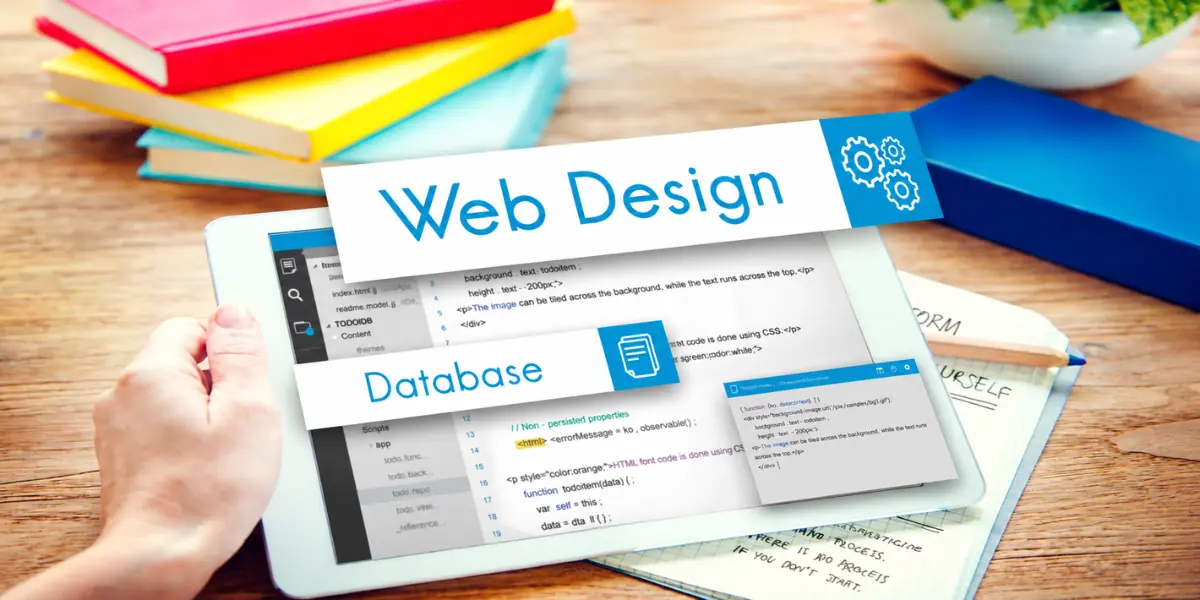
The fastest way to kill a student’s motivation is to hand them a textbook on C++ or Java and tell them to optimize a backend database. It’s dry, abstract, and a shortcut to quitting before you’ve even started.
Instead, you need a path that gives you an immediate visual feedback loop—one where you see the results of your work instantly and stay hooked.
Step 1 · The Visual Stepping Stone
WordPress for beginners is a visual platform that lets you build and manage a complete website using ready-made designs, with no coding required to get started.
Step 2 · The Core Blueprint: HTML & CSS
This foundational pair is where HTML builds the raw structure of a page, and CSS applies the styling, colors, and layout.
Step 3 · Interactive Logic: JavaScript
This is the language that adds life and interactivity to a website, making elements respond when a user clicks or types.
The Beginner’s Roadmap
The Stepping Stone (WordPress): Don’t look down on content management systems. Starting with WordPress for beginners is a smart move for students without a coding background. It lets you interact visually with website layouts, understand how domains and hosting work, and grasp the general anatomy of the web before touching raw code.
The Core UI (HTML & CSS): This is the skeleton and wardrobe of the internet. You write a line of code, refresh the browser, and your text changes color and your layout shifts. That instant feedback is exactly what keeps students motivated in the early weeks.
The Engine (JavaScript): Once you’re comfortable making things look good, JavaScript introduces real programming logic—making buttons click, menus slide, and data move.
Learn Coding Through Real Visual Projects!
Modern beginner training combines WordPress, HTML, CSS, and JavaScript to help students understand how websites are built and managed from the ground up.
Start Building Your First Website Today!
3. Shifting from “Rote Learning” to Computational Logic
The biggest trap students from non-IT streams fall into is treating code like a history or biology chapter—trying to memorize syntax, tags, and functions for hours, rather than actually applying them.
Stop. You cannot memorize your way into becoming a developer. Coding is entirely about logic and problem-solving.
To think like a programmer, you have to master the algorithm—a fancy word for breaking a big, intimidating problem down into small steps.
The Universal “Cup of Tea” Test
Imagine writing instructions for a robot to make you a cup of tea. If you just say “make tea,” the robot crashes. You have to break the logic down completely:
1. Walk five steps forward to the counter.
2. Pick up the electric kettle with your right hand.
3. Move to the sink and turn the tap clockwise.
4. Fill the kettle until the water level hits the 300ml line.
That’s exactly what coding for beginners looks like. Once you learn to break real-world problems into small, logical steps, learning any programming language becomes far easier—mastering syntax is just like learning the vocabulary of a new language.
4. Smarter Learning in 2026 With AI by Your Side

A few years ago, learning to code as a solo student was an exercise in pure frustration. Miss a single semicolon or closing bracket, and your whole screen will break—leaving you scrolling through forums for hours trying to figure out why.
In 2026, students have a real advantage: they can use AI tools like ChatGPT and Gemini to work through those hurdles far faster than students could even five years ago.
These tools aren’t there to write your code for you — that won’t teach you anything. Instead, treat them as a patient, always-available coding coach.
The Smart AI Workflow
When your code inevitably throws an error, do not panic. Instead of staring at a blank screen, copy your broken block of code, paste it into your AI assistant, and use this exact prompt:
Plaintext
PROMPT: “Here is my code for a basic landing page navigation bar, but the button isn’t clicking. “Tell me exactly why it is breaking, explain the core concept behind my mistake, and guide me toward the fix without giving me the direct answer.”
Learn programming with AI this way; you turn every single bug into an interactive, personalized mini-lesson. It bypasses the hair-pulling frustration of being stuck and accelerates your learning speed by at least 3x.
5. The Golden Rule: Projects Over Certificates
Many beginners spend hours watching tutorials on coding for beginners. While tutorials help build knowledge, true learning happens when you apply skills through real projects and independent practice.
Building websites, solving problems, and experimenting on your own improve confidence and practical experience.
In today’s tech industry, strong portfolios and hands-on work often create better opportunities because they clearly showcase your abilities and real-world understanding.
What Actually Matters:
- A live, public GitHub profile.
- Real-world, functional web applications.
- Tangible evidence that you can solve a problem from scratch.
At Squad Industrial Training, we believe in skipping dry, dusty theory altogether. From day one, our non-IT students dive straight into building real-world clone projects.
Instead of reading about code, you learn how to start coding from zero level by building a high-converting landing page, a functioning weather dashboard, or a custom web app.
When you can sit across from a hiring manager and show them a live, working URL of a project you built, your educational background completely vanishes from the conversation.
Conclusion & Next Steps
The only true divider between a seasoned IT professional and a beginner is consistent, structured daily practice. If you want to understand how to start coding from zero level, focus on building real projects, improving problem-solving skills, and practicing regularly.
You do not need a four-year computer science degree to grow in tech — a logical learning approach and consistent hands-on experience can help you build strong technical skills over time.
Your Next Step: Don’t let this momentum go to waste. Take action right now by jumping over to [How to Start Learning Technical Skills from Scratch] to map out your exact daily study routine and launch your new career trajectory!
Create a Strong Foundation in Tech Learning!
From learning coding basics to building real projects, regular practice and guided learning can help beginners grow technical confidence over time.
Start Building Your Future in Tech!
FAQs
Join a specialized training program to learn how to start coding from zero level, focusing on building real projects, not just watching tutorials.
Yes, the step-by-step WordPress for beginners and coding tracks rely on logical thinking, helping non-tech professionals successfully switch to rewarding tech careers.
Enroll in a structured programming course and practice 1 to 2 hours daily to build steady muscle memory instead of weekend cramming.
A comprehensive web development course takes 6 to 9 months of consistent study to build a job-ready portfolio and learn software programming
Yes, the tech industry highly values practical skills. You can learn programming with AI tools through structured courses to build a job-winning portfolio.
A web development course teaches website design and interactive apps, while software engineering focuses on much broader, complex computer operating systems.